
Asset Management System Software: Essential Considerations for Healthcare Facilities
Managing assets efficiently in healthcare facilities is a critical task that can significantly impact patient care and operational effectiveness. Healthcare facilities are constantly under pressure to optimize resource utilization, from diagnostic imaging equipment to patient engagement software. The right Asset Management System Software can streamline these processes, ensuring that every piece of equipment is accounted for and maintained properly. This article will explore the essential considerations for selecting and implementing asset management software in healthcare settings, focusing on features, integration challenges, and compliance requirements.
Overview of Asset Management System Software in Healthcare
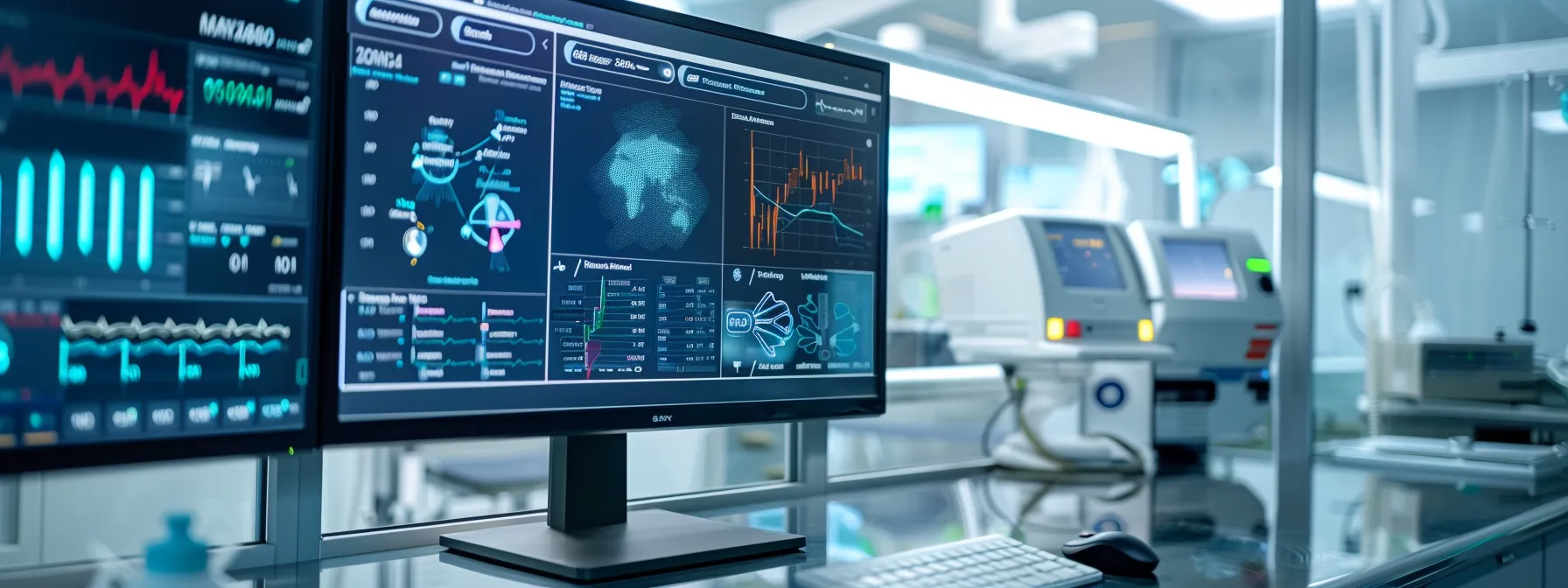

Asset Management System Software is designed to help healthcare facilities track and manage their physical assets throughout their lifecycle. In a healthcare context, this includes everything from medical devices to telehealth platforms. Effective asset management not only reduces costs but also enhances patient flow optimization by ensuring that necessary equipment is available and operational. According to a report from HealthIT.gov, integrating such software into healthcare operations can lead to a more streamlined workflow, thereby enhancing the overall quality of care. Utilizing an Asset Management System Software can play a crucial role in this process.
One of the key advantages of using asset management software in healthcare is its ability to integrate with existing systems such as Electronic Medical Records (EMR) and Clinical Decision Support Systems (CDSS). This integration ensures that asset data is easily accessible, promoting evidence-based practice and improving clinical outcomes. Furthermore, by maintaining an accurate inventory of assets, healthcare facilities can better comply with medical billing compliance standards and HEDIS metrics, ensuring a high level of service delivery.
Key Features to Consider for Optimal Performance
When selecting Asset Management System Software, healthcare facilities should focus on features that enhance operational efficiency. Critical features include real-time tracking of assets, automated maintenance scheduling, and comprehensive reporting capabilities. Real-time tracking helps in adhering to triage protocols by ensuring that critical equipment is always available when needed. Additionally, automated maintenance scheduling reduces downtime and prolongs the lifespan of assets, such as diagnostic imaging equipment and pharmacy benefit managers (PBM).
Furthermore, software that offers robust reporting capabilities can aid in decision-making processes by providing insights into asset utilization and performance. This is particularly important in settings where ICD-10 coding and CPT code compliance are necessary for accurate medical billing. According to a recent study by The Joint Commission, facilities that leverage detailed reporting functionalities can better align their operations with industry standards, thus improving both financial performance and patient care outcomes.
Integration Challenges with Existing Healthcare Systems
Integrating new software with existing healthcare systems can present significant challenges. One common issue is ensuring compatibility with existing EMR integration systems and Health Information Exchanges (HIE). These systems often require seamless synchronization of data to maintain accurate patient records and optimize patient flow. Synchronous telemedicine platforms can also complicate integration, as they require real-time data exchange across various platforms.
To address these challenges, healthcare facilities should prioritize software solutions that offer open APIs and customizable interfaces. These features facilitate smoother integration by allowing the software to communicate effectively with other systems. Additionally, involving IT departments early in the selection process can help identify potential integration issues and develop strategies to mitigate them.
Compliance and Security Considerations for Healthcare Facilities
Compliance and security are paramount in the healthcare industry, where the protection of sensitive patient data is a top priority. Asset Management System Software must comply with relevant regulations, such as HIPAA, to ensure the confidentiality, integrity, and availability of health information. Security features like role-based access control and data encryption are essential to safeguard sensitive data against unauthorized access.
Healthcare facilities must also consider the software’s ability to support medical billing compliance and adhere to HEDIS metrics. By ensuring that the software aligns with these standards, facilities can reduce the risk of financial penalties and improve their overall service quality. Regular audits and updates are also crucial to maintaining compliance and security, ensuring that the software remains effective in protecting patient data and supporting healthcare operations.
Conclusion
Effective asset management is critical for enhancing operational efficiency and patient care in healthcare facilities. By carefully selecting Asset Management System Software that integrates well with existing systems, offers robust features, and meets compliance and security requirements, healthcare providers can significantly improve their service delivery. For those seeking a comprehensive solution, the right software can make all the difference in managing healthcare assets effectively.