
Teeth Cleaning in Dubai: Why Modern Dental Hygiene Is About More Than Removing Tartar
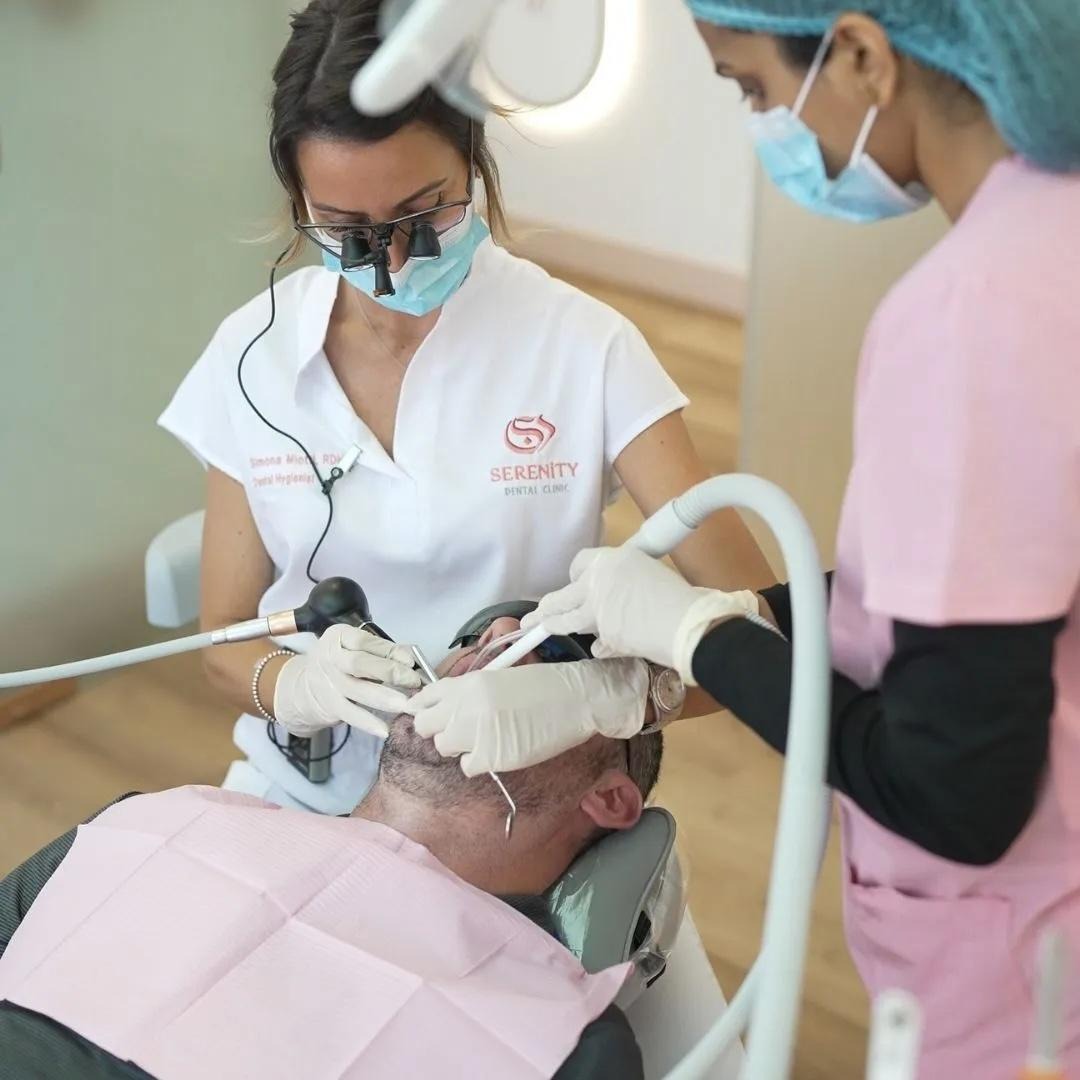
Professional dental cleaning is often associated with removing tartar, polishing teeth and improving the appearance of a smile. Yet the most important aspects of preventive hygiene are not always visible.
Bacterial biofilm can accumulate in areas that appear clean, contributing to gum inflammation and other oral health problems over time. This has encouraged a more comprehensive approach to teeth cleaning in Dubai, combining bacterial plaque assessment, targeted cleaning techniques and personalised prevention. At Serenity Dental Clinic, located in Motor City, professional hygiene incorporates Guided Biofilm Therapy, digital diagnostic tools and an approach that considers both oral health and patient comfort.
Why Is Dental Biofilm Important for Long-Term Oral Health?
Dental biofilm is a structured community of microorganisms that develops naturally on tooth surfaces. Although often described simply as plaque, it is more complex than food debris or visible deposits. Bacteria within the biofilm interact with the oral environment, and inadequate removal can contribute to tooth decay, gingivitis and periodontal disease, particularly in susceptible individuals.
One of the main challenges is that biofilm is not always easy to identify. It can accumulate between teeth, along the gumline and around dental restorations without producing noticeable discomfort. A patient may brush regularly and still leave deposits in difficult-to-reach areas. When plaque remains undisturbed, some deposits may eventually mineralise into tartar, which requires professional removal.
This distinction has changed how dental hygiene is approached. Rather than concentrating exclusively on visible calculus, modern preventive care also examines where bacterial deposits develop and why they repeatedly accumulate. Identifying plaque-retentive areas allows dental professionals to provide more specific guidance, helping patients improve daily cleaning techniques and reduce the likelihood of recurring inflammation.
How Does Guided Biofilm Therapy Change Professional Teeth Cleaning?
Guided Biofilm Therapy is a structured approach to professional hygiene that places bacterial biofilm identification at the centre of the cleaning process. Instead of beginning immediately with instruments, the clinician may use a plaque-disclosing agent to make otherwise difficult-to-see deposits visible. This creates a clearer picture of the areas requiring attention and helps explain which parts of the mouth are not being cleaned effectively.
Once the deposits have been identified, appropriate instruments are selected according to the patient’s oral condition. Air polishing technology can remove soft bacterial biofilm and certain external stains using a controlled combination of air, water and fine powder particles. Hardened tartar, however, still requires suitable ultrasonic or manual scaling instruments, making these techniques complementary rather than interchangeable.
This approach is relevant to patients seeking teeth cleaning in Dubai because it shifts the emphasis from a routine polishing procedure towards individualised plaque management. At Serenity Dental Clinic, Guided Biofilm Therapy and Airflow technology form part of the hygiene services. The choice of instruments and cleaning techniques depends on the condition of the teeth, gums and surrounding tissues, rather than following an identical procedure for every patient.
Can Professional Cleaning Help Detect Early Signs of Gum Disease?
Gum disease does not always produce obvious symptoms in its early stages. Gingivitis may develop through persistent bacterial plaque accumulation, causing inflammation that sometimes appears as redness, swelling or bleeding during brushing. However, the absence of discomfort does not necessarily mean the gums are healthy. Professional periodontal assessment can identify signs that patients may overlook during their daily routines.
A hygiene appointment provides an opportunity to examine gum conditions and evaluate whether further investigation is needed. Depending on the clinical situation, this may include assessing bleeding, measuring periodontal pockets and reviewing factors that contribute to plaque retention. When deeper periodontal problems are suspected, additional assessment is necessary to determine whether the patient has gingivitis, periodontitis or another condition requiring treatment.
At Serenity Dental Clinic, preventive hygiene is supported by clinical examinations and diagnostic equipment, including intraoral cameras, digital scanning and radiographic imaging when indicated. These tools can contribute to a broader understanding of oral health, although not every patient requires imaging at every appointment. The purpose is to recognise relevant clinical changes, allowing treatment recommendations to reflect the individual’s periodontal condition rather than focusing solely on the appearance of the teeth.
Is Teeth Cleaning in Dubai Suitable for Patients With Dental Sensitivity?
Dental sensitivity can make professional cleaning uncomfortable for some patients. Exposed root surfaces, gum recession, existing inflammation and certain dental conditions may increase sensitivity to temperature, pressure or contact with instruments. For this reason, the cleaning technique and the patient’s response should be considered before and during treatment. Sensitivity does not automatically prevent professional hygiene, but it may influence how the procedure is performed.
Modern cleaning methods offer different options depending on the deposits being removed. Fine-powder air polishing may be appropriate for selected surfaces, while ultrasonic or manual instruments remain necessary when hardened calculus is present. The choice of powder, water temperature, instrument settings and treatment sequence can affect comfort. No technique can be considered universally painless, and some patients may experience temporary sensitivity afterwards.
Patient comfort is a documented element of Serenity Dental Clinic’s approach. Its hygiene environment includes dental chairs with memory-foam support, blankets and headphones, while nitrous oxide sedation may be considered for particularly anxious patients when clinically appropriate. These measures do not replace careful clinical assessment, but they recognise an important practical issue: fear or previous uncomfortable experiences can discourage regular preventive care. Addressing these concerns may help patients maintain appropriate hygiene appointments.
Why Should Dental Hygiene Be Personalised Rather Than Identical for Everyone?
The frequency and type of professional cleaning required vary considerably between patients. Someone with healthy gums, effective home hygiene and limited tartar accumulation may need a different maintenance schedule from a patient with periodontal disease, orthodontic appliances or extensive dental restorations. Individual risk assessment is therefore more useful than assuming that everyone should receive the same treatment at fixed intervals.
Several factors influence oral hygiene needs. These include the ability to remove plaque at home, smoking habits, dietary patterns, saliva production, medical conditions and previous periodontal problems. Dental implants, crowns and orthodontic appliances can also create areas that require particular attention. In such cases, cleaning instruments and home-care recommendations may need to be adapted to protect both natural teeth and dental restorations.
Professional hygiene can also reveal habits that require adjustment. Repeated plaque accumulation between particular teeth, for example, may suggest that the patient would benefit from a different interdental cleaning method. Persistent gum bleeding may indicate inflammation that should not be ignored. The hygienist’s role extends beyond removing deposits to providing practical, personalised preventive guidance that patients can apply between appointments.
At Serenity Dental Clinic, dental hygienists including Simona Miotti work with preventive techniques that consider individual oral conditions. The clinic’s approach combines professional cleaning, diagnostic assessment and home-care education. This reflects the broader principle that maintaining oral health is an ongoing process rather than an isolated procedure completed during a single appointment.
How Does Professional Hygiene Complement Daily Brushing and Flossing?
Professional cleaning is an important part of prevention, but it cannot compensate for inadequate oral hygiene between appointments. Bacterial biofilm begins forming again after cleaning, making daily plaque control essential. Brushing twice a day with fluoride toothpaste and cleaning between teeth using suitable devices remain fundamental measures for reducing the accumulation of deposits.
The effectiveness of these habits depends on technique as well as frequency. Brushing too aggressively may contribute to gum irritation or tooth surface wear, while inadequate cleaning around the gumline can leave plaque undisturbed. Interdental brushes and floss have different applications, and the most appropriate option depends on the spaces between teeth and the patient’s dental condition. Personalised instruction can help make daily cleaning more effective without encouraging excessive or potentially harmful practices.
Professional hygiene and home care therefore serve complementary purposes. Dental appointments allow clinicians to remove deposits that cannot be managed effectively at home, review changes in oral health and reassess preventive recommendations. Daily hygiene, meanwhile, helps control plaque accumulation between visits. Neither approach should be viewed as a substitute for the other.
Teeth Cleaning in Dubai: Prevention Starts With Understanding Individual Oral Health
The development of modern dental hygiene reflects a broader understanding of oral disease prevention. Effective professional cleaning involves more than removing visible tartar or polishing tooth surfaces. Bacterial biofilm identification, periodontal assessment and individually selected cleaning techniques can all contribute to a more comprehensive preventive approach.
For patients considering teeth cleaning in Dubai, understanding these principles helps clarify why hygiene appointments may differ according to personal needs. Air polishing, scaling, digital assessment and preventive education each have distinct roles, and their use should be guided by clinical findings rather than a standardised treatment formula.
At Serenity Dental Clinic, professional hygiene incorporates Guided Biofilm Therapy, Airflow technology and an approach attentive to individual comfort. By combining assessment, targeted cleaning and personalised oral hygiene guidance, the clinic places prevention within a wider process of maintaining healthy teeth and gums. The central objective is not simply a cleaner-looking smile, but informed and consistent care that supports long-term oral health.