
Clear Aligners in Dubai: How Eating and Drinking Habits Affect Orthodontic Treatment
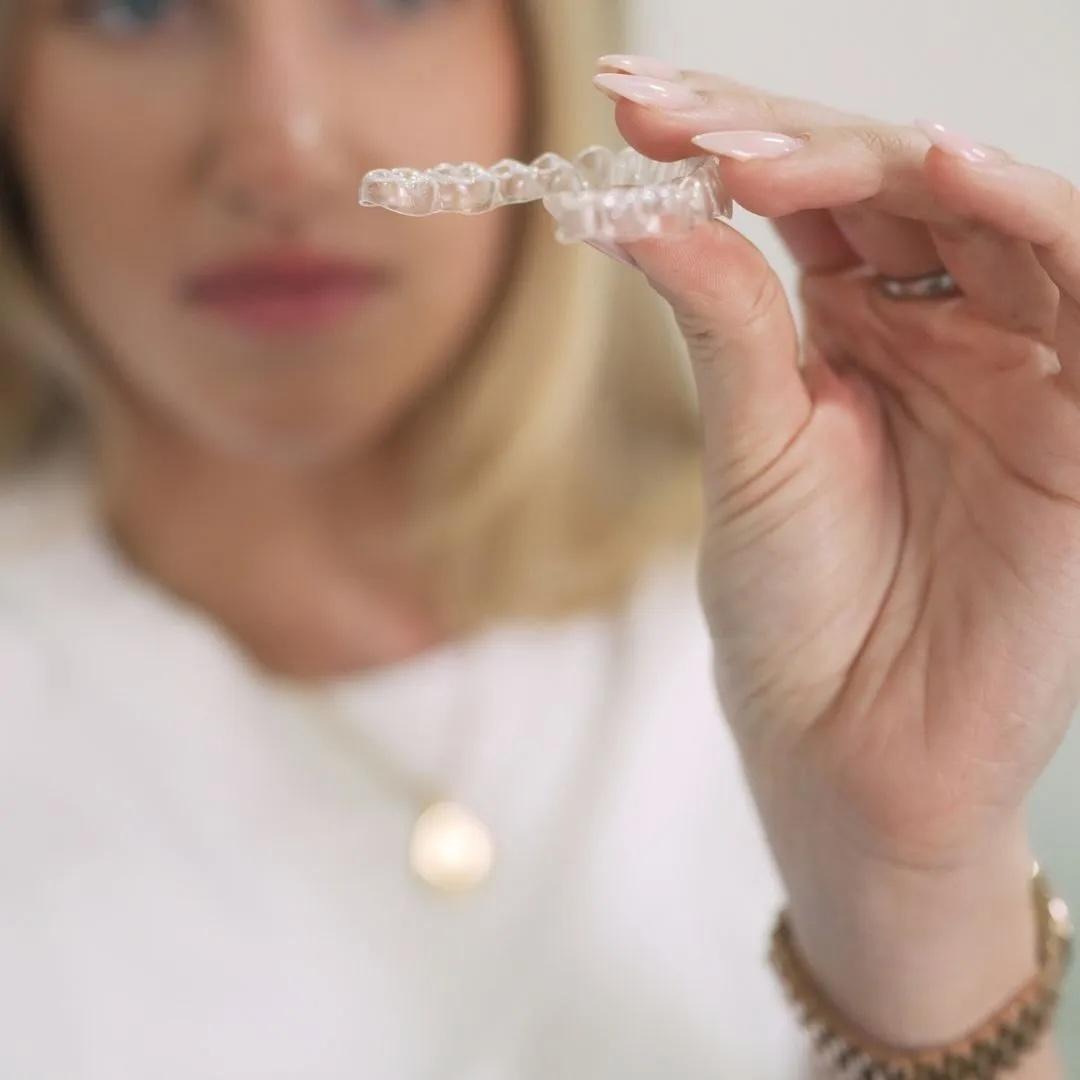
One of the practical questions surrounding removable orthodontic treatment concerns everyday eating and drinking habits. Unlike fixed braces, clear aligners must generally be removed during meals, making daily routines an important part of treatment management.
For patients considering clear aligners in Dubai, understanding these requirements can help establish realistic expectations before beginning orthodontic care. At New York Dental Clinic, digital planning and individualised assessment support treatment with removable aligners. However, their effectiveness also depends on patient cooperation, particularly when balancing the prescribed wearing schedule with meals, beverages and oral hygiene.
Why Must Clear Aligners Be Removed Before Eating?
Clear aligners are custom-made removable appliances designed to apply controlled forces to the teeth. Each set forms part of a planned sequence of movements intended to gradually modify dental alignment. Although the appliances fit closely over the teeth, they are not designed to withstand the forces generated during chewing.
Eating while wearing aligners may damage or deform the plastic, affecting how accurately the appliance fits. Food particles can also become trapped between the aligner and tooth surfaces, creating conditions that favour bacterial plaque accumulation. Removing the trays before meals therefore helps protect both the appliance and the underlying teeth.
Unlike fixed orthodontic brackets, removable aligners allow patients to eat without the appliance in place. However, this flexibility introduces an important responsibility: the trays must be reinserted promptly after eating and appropriate oral cleaning. Frequent or unnecessarily prolonged removal can interfere with the prescribed treatment schedule.
Can Patients Eat Normally with Clear Aligners in Dubai?
For people undergoing treatment with clear aligners in Dubai, the ability to remove the appliances means that most ordinary foods can remain part of their diet. There are generally fewer restrictions on food texture than with fixed braces, which may be vulnerable to damage from particularly hard or sticky products. Nevertheless, the trays must be removed before eating.
The main consideration is therefore not necessarily what patients eat, but how meals are organised throughout the day. A person who regularly eats at restaurants, attends business lunches or follows an irregular working schedule may need to pay particular attention to the time spent without aligners. Meal planning becomes part of treatment adherence, especially when several eating occasions occur during the same day.
Dental health remains relevant regardless of appliance removability. Frequent consumption of sugary foods can contribute to tooth decay, while acidic products may increase the risk of enamel erosion. The freedom to eat different foods does not eliminate the importance of preventive oral hygiene, particularly during orthodontic treatment.
What Can Patients Drink While Wearing Clear Aligners?
Plain water is generally the most appropriate beverage to consume while clear aligners are in place. Water does not contain sugars or colouring agents that could become trapped against the teeth or affect the appearance of the appliances. Other beverages should normally be consumed after removing the aligners, unless the treating orthodontist provides specific instructions.
Coffee, tea and strongly coloured drinks may stain the plastic or contribute to surface discolouration. Sugary beverages can also increase the risk of dental decay when residues remain beneath the trays. Hot drinks present an additional concern because elevated temperatures may distort certain aligner materials and compromise their fit.
This distinction is particularly relevant to patients who frequently drink coffee during working hours or consume beverages throughout the day. Rather than repeatedly exposing the appliances to different liquids, drinking habits may need to be organised around planned breaks. The objective is to protect the aligners while maintaining the prescribed number of daily wearing hours.
How Many Hours a Day Should Clear Aligners Be Worn?
Clear aligners work by applying controlled forces when they are correctly positioned over the teeth. Consequently, the number of hours they remain in place is an important factor in treatment progression. Many orthodontic protocols recommend approximately 20–22 hours of daily wear, although the exact schedule depends on the individual treatment plan.
Removing the trays for breakfast, lunch, dinner and oral hygiene must therefore be balanced with the remaining hours of the day. Occasional brief interruptions do not automatically mean that treatment has failed, but repeated periods of insufficient wear can compromise the planned tooth movements. In some circumstances, this may require adjustments to the treatment sequence.
Patients should not independently compensate for missed wearing time by changing to the next aligner earlier than prescribed. The progression from one set of trays to another requires appropriate tooth movement, and an appliance that no longer fits correctly may need professional assessment. Consistency is generally more useful than attempting to recover lost time through unapproved changes.
Why Is Oral Hygiene Important After Every Meal?
Removing aligners before eating helps prevent direct damage to the appliance, but it does not eliminate the need to clean the teeth before reinsertion. Food particles and bacterial plaque may remain on dental surfaces after a meal. When the trays are placed over inadequately cleaned teeth, residues can remain in prolonged contact with enamel.
Brushing with fluoride toothpaste and cleaning between the teeth are therefore important throughout treatment. Patients should also clean their aligners according to the instructions provided by their orthodontist, avoiding unsuitable products or excessive heat that could affect the material. Maintaining both oral and appliance hygiene helps limit the accumulation of deposits.
In situations where brushing immediately after eating is not possible, rinsing the mouth with water may provide a temporary measure, but it does not replace thorough cleaning. Professional guidance should determine the appropriate routine for patients with particular dental conditions or elevated cavity risk. At New York Dental Clinic, preventive oral care forms part of the broader approach to orthodontic treatment.
How Can Meals and Social Occasions Be Managed During Treatment?
Business lunches, family gatherings and restaurant meals are common situations in which aligner wear may require additional organisation. The appliances should be removed discreetly and placed in a suitable protective case before eating. Wrapping aligners in tissues or leaving them on tables increases the likelihood of accidental loss or damage.
Long meals involving several courses can create additional challenges because the trays may remain outside the mouth for extended periods. Patients may therefore benefit from considering the duration of social occasions and organising their remaining wearing hours accordingly. The aim is not to avoid social activities, but to understand how they interact with treatment requirements.
Travelling and changes in routine can introduce similar considerations. Carrying an aligner case and appropriate oral hygiene products can make it easier to maintain established habits away from home. A consistent routine supports treatment adherence, although individual arrangements should always reflect the orthodontist’s instructions.
How Does Digital Planning Help Patients Understand Their Treatment?
Before removable aligner treatment begins, the orthodontist evaluates dental alignment, bite relationships and the condition of the surrounding oral tissues. This assessment helps establish whether clear aligners are suitable and which tooth movements may be achievable. The complexity of the case influences treatment planning, including the number of aligner stages and the need for additional orthodontic measures.
At New York Dental Clinic, orthodontist Dr Firas Hamzeh is involved in the practice’s orthodontic care. The clinic uses intraoral scanning and digital planning technologies, including Digital Smile Design, to support assessment and communication about proposed aesthetic changes. These tools can help patients understand the intended direction of treatment, although simulated outcomes cannot guarantee a particular result.
Digital planning is only one component of orthodontic care. The actual response of teeth to treatment must be monitored through clinical examinations, and modifications may become necessary during the process. Patient cooperation and professional monitoring remain essential, regardless of the technology used to design the aligners.
Are Clear Aligners Suitable for Every Lifestyle?
Removable aligners may be convenient for patients who prefer an orthodontic appliance that can be taken out during meals and daily oral hygiene. However, this characteristic also requires considerable personal responsibility. Someone who frequently snacks, drinks beverages throughout the day or has difficulty maintaining regular routines may find the wearing schedule challenging.
Suitability also depends on clinical considerations rather than lifestyle preferences alone. The type and severity of malocclusion, the condition of the teeth and gums, and the movements required all influence treatment selection. Not every orthodontic problem can be managed in the same way, and certain cases may benefit from alternative or combined approaches.
Patients should therefore discuss both their dental condition and their daily habits during the initial assessment. Understanding the practical commitment involved can help establish appropriate expectations. A treatment that fits an individual’s lifestyle must also meet their clinical needs, making professional evaluation essential.
Clear Aligners in Dubai: The Importance of Everyday Habits
For patients considering clear aligners in Dubai, eating and drinking habits represent an important aspect of orthodontic treatment. The ability to remove the trays provides flexibility during meals, but the prescribed wearing schedule, appropriate cleaning and careful handling remain essential responsibilities. Consistency can influence whether planned tooth movements progress as intended.
The relationship between daily habits and treatment adherence highlights why orthodontic planning should consider more than dental alignment alone. Working schedules, social activities and individual preferences can all affect how patients manage removable appliances.
At New York Dental Clinic, clear aligner treatment is approached through individual clinical assessment, digital planning and attention to the functional aspects of orthodontic care. Understanding these practical requirements before starting treatment helps patients make informed decisions and recognise the role of their own habits throughout the orthodontic process.