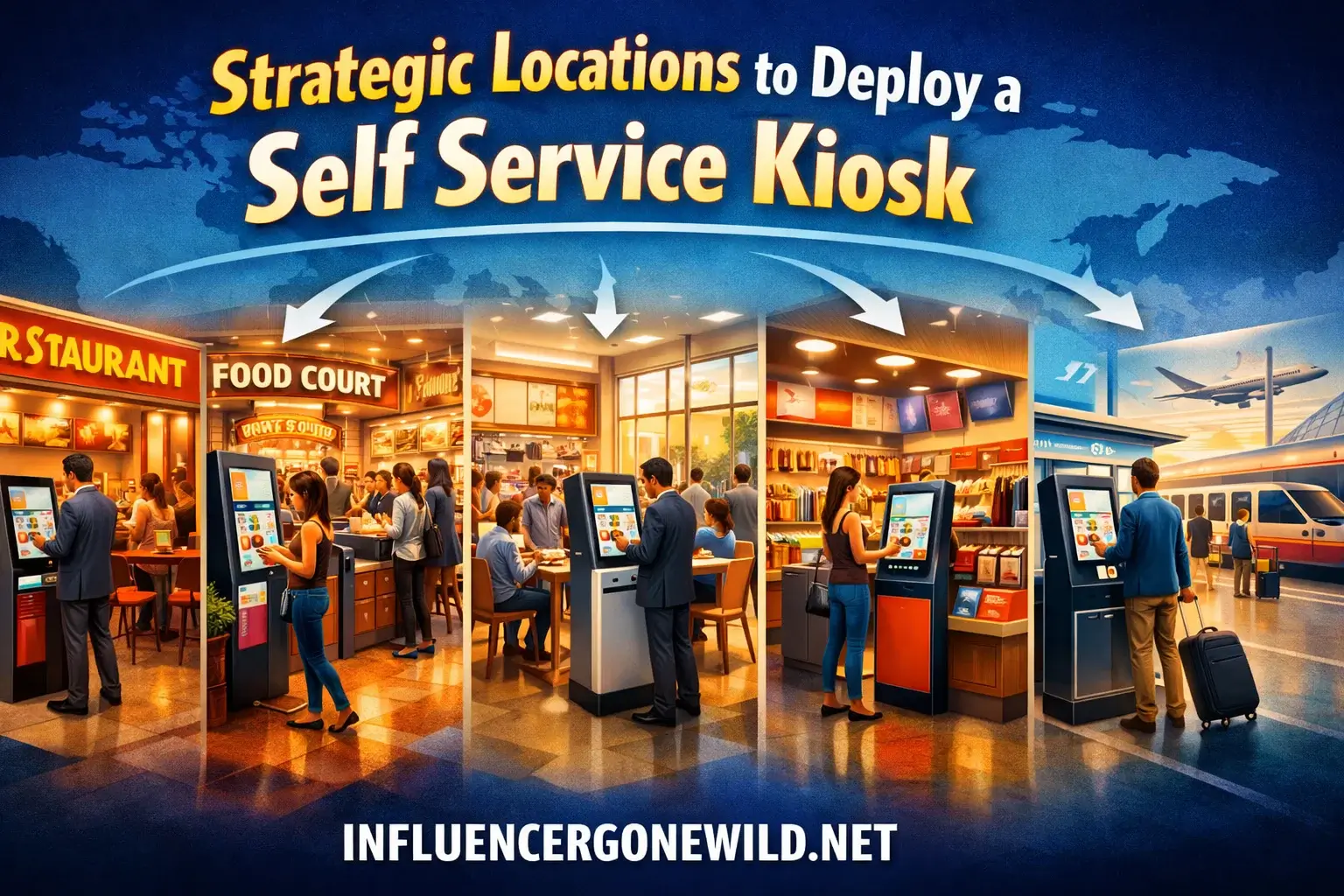
5 Strategic Locations to Deploy a Self Service Kiosk for Maximum ROI
If you’ve stepped into a shop or a bistro lately in 2026, you’ve likely noticed a shift. The traditional “stand-behind-the-counter-and-wait” model is feeling a bit “old hat.” In a world where we can order a car, a flat white, or a new pair of sneakers with a thumb swipe, the physical queue has become the ultimate vibe killer.
Enter the self service kiosk. Once a novelty reserved for global fast-food giants, these digital powerhouses are now the “choice” tool for any operator looking to juice their ROI while keeping their staff from drowning in the “hard yakka” of repetitive tasks.
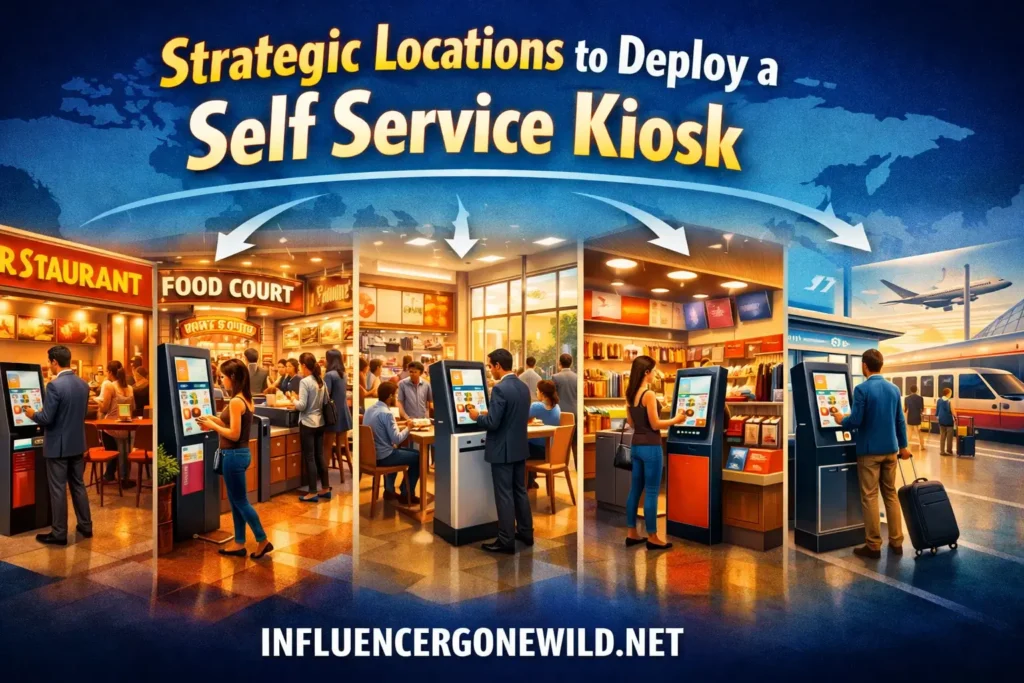
But here’s the rub: you can’t just chuck a kiosk in the corner and expect the moolah to roll in. Placement is everything. If it’s not where the customer needs it, it’s just an expensive digital picture frame. Here are five strategic locations to deploy your kiosk for maximum impact and return on investment.
1. Restaurant Doorways and Busy Checkout Areas
The most obvious and often most effective location is near the entrance or ordering threshold.
Why it works:
- Customers decide how to order right away.
- The queues are naturally divided into kiosks and counters.
- Walk-ins are taken outside before congestion sets in.
- The peak-hour pressure is minimised at the till.
In quick-service and fast-casual outlets, the kiosks at the entrance serve as a traffic valve. They also receive rushes and do not compel customers to wait or staff to scramble.
ROI impact:
- Faster order throughput
- Increased average order worth with visual upselling.
- Reduced perceived wait times.
Be aware of obstructions in doorways or pickup areas. The kiosk is not supposed to stop the flow but to direct it.
2. Food Courts and Shared Dining Centres
Food courts are a natural fit for self service kiosk deployment, particularly when multiple vendors compete for attention.
Why it works:
- Large pedestrian traffic with minimal decision-making time.
- Customers want speed and clarity.
- Kiosks lessen the number of people at the individual counters.
- Group orders become easier.
It is common practise in many of today’s food courts to have shared or vendor-specific kiosks where people can browse and not commit to a stall before handing in their orders, a strategy shown to boost confidence in their orders and the size of the basket.
ROI impact:
- Higher order accuracy
- Faster service at peak times
- Greater exposure of smaller vendors.
3. Corporate Campuses and Offices
Workplace dining environments are driven by time constraints and routine behaviour, ideal conditions for kiosk success.
Why it works:
- Predictable lunch rushes
- Customers with similar and repeat orders.
- A great desire to hurry and to be independent.
- Minimal tolerance of queues.
The kiosks located in building lobbies, cafeterias, or shared kitchen areas allow employees to place orders quickly and consistently. In many cases, they do not even need to speak to staff.
ROI impact:
- Faster lunch turnover
- Less pressure in staffing during peaks.
- Repeat usage (habit-driven ROI) is high.
4. Retail Store Checkout Zones: The Shrink-Reducing Revenue Booster
Retail remains the dominant self service kiosk sector, commanding 29.75% market share, according to Mordor Intelligence’s 2025 analysis. But generic “self-checkout” deployment misses the strategic nuance that separates good ROI from exceptional returns.
High-impact retail locations:
Position self service kiosks at traditional checkout zones but also at strategic points throughout the store where impulse purchases concentrate near high-margin accessories, seasonal promotions, and convenience items customers frequently add to baskets.
ROI timeline that matters:
According to Gitnux’s comprehensive retail analysis, the ROI for self-checkout installations is typically realised within 12 to 18 months. Retailers save an average of 15% on overheads by switching to automated checkout solutions.
Strategic implementation:
Deploy hybrid models combining self service kiosks for straightforward transactions with staffed lanes for complex purchases. This flexibility maximises customer satisfaction whilst optimising labour deployment.
5. Transport Hubs: Airports, Train Stations & Terminals
Transport hubs are among the highest-value kiosk environments due to the urgency and short dwell times.
Why it works:
- Customers are time-sensitive
- Language-neutral ordering reduces friction
- Visual menus speed decision-making
- Staff shortages are common in extended hours
A study by the International Air Transport Association notes that over 60% of travellers now expect self-service options across airports, including food and retail.
Source: https://www.iata.org/en/publications/economics/industry-reports/digital-transformation/
ROI impact:
- Higher throughput in short windows
- Reduced reliance on counter staff
- Increased impulse purchases
The Verdict: It’s About Friction, Not Just Tech
The secret to a successful self service kiosk deployment in 2026 is identifying where the “friction” is in your current customer journey. Is it the wait at the door? The frustration of out-of-stock items? The awkwardness of checking in?
When you place your tech at the point of greatest friction, the ROI isn’t just a “maybe” it’s a certainty. You get higher spend, lower labor stress, and customers who leave feeling like they’ve just had a “choice” experience rather than a “wait-and-see” one.
By focusing on these five strategic locations, you aren’t just adding a screen to your room; you’re adding a 24/7, high-performing sales engine to your team. You can visit influencergonewild for more trending posts.