
Building Resilient Communities Through Volunteering
Table of Contents
- Importance of Volunteering
- Volunteerism During Crises
- Economic Benefits of Volunteering
- Successful Volunteer Initiatives
- How to Get Involved
- Final Thoughts
Volunteering goes far beyond simply giving back; it serves as a lifeline for communities, helping them grow stronger and more adaptable in the face of adversity. Every hour and skill offered by an individual can reinforce a network of support and empathy, weaving tighter bonds that ultimately provide the foundation for resilience. Whether people volunteer with local food banks, support disaster relief efforts, or mentor young students, their contributions cultivate a culture in which neighbors support one another, and no crisis is faced alone.
Community members who volunteer foster lasting relationships and a sense of shared responsibility. Even those in different sectors, such as business or real estate, play a role in nurturing this community spirit. For example, Palo Alto real estate agent Kathleen Pasin exemplifies community engagement by supporting local initiatives and connecting people to resources that help neighborhoods thrive. By stepping outside their professional roles and engaging with community causes, individuals help bridge gaps between resources and those who need them most. This collective effort not only strengthens social ties but also creates more resilient, compassionate communities that are better equipped to face future challenges together.
Importance of Volunteering
The impact of volunteering extends beyond immediate assistance; it creates a sustainable sense of belonging and connectedness within a community. Participation in volunteer activities encourages social inclusion and reduces feelings of alienation, particularly for those who may be marginalized or at risk of isolation. When people come together to contribute resources, skills, and time, they help level the playing field and build trust within the community.
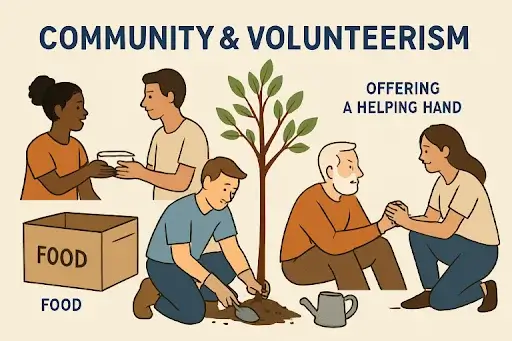
According to the United Nations Volunteers, community volunteers are instrumental in driving progress on global challenges such as disaster readiness and environmental stewardship. They support disaster risk reduction, climate resilience, and ongoing learning that empowers local leaders and equips citizens with essential skills. Volunteering is more than a kind gesture: it is a cornerstone of healthy, adaptable communities capable of responding to both daily needs and unprecedented crises.
Volunteerism During Crises
During periods of turmoil, whether sparked by natural disasters, health emergencies, or economic downturns, volunteers often become the first responders. Their local knowledge and established relationships enable swift resource mobilization and a coordinated response. The International Federation of Red Cross and Red Crescent Societies reports that volunteers accounted for about 70 percent of all frontline health responders during recent global emergencies, especially in hard-to-reach or underserved areas.
Volunteers help distribute emergency supplies, support mental health efforts, and provide reliable communication to those seeking assistance. Their crucial work ensures that emergency services reach more people faster while governments and agencies focus on large-scale recovery plans. These acts of service bridge gaps and form a safety net that is frequently relied upon during disasters.
Economic Benefits of Volunteering
Volunteering is invaluable to the local economy, often saving nonprofits and public organizations thousands, or even millions, of dollars that would otherwise be spent on hiring staff. By dedicating their time, volunteers allow organizations to allocate limited funds toward essential programs, outreach, or direct support for individuals in need. For example, in 2024, volunteers at Versiti collectively gave over 51,000 hours to support blood drives, operations, and community health events, directly impacting patients and medical staff.
These measurable contributions are often unrecognized but critical to sustaining robust social programs. The uptick in skilled volunteering has also boosted operational efficiency across accounting and technology support, further benefiting the economy at both small and large scales. The National Council of Nonprofits notes that volunteer efforts underpin many of the services citizens rely on daily.
Successful Volunteer Initiatives
American Red Cross
An iconic volunteer-driven organization, the American Red Cross, plays a pivotal role in responding to disasters large and small, from regional floods to house fires. Volunteers manage disaster relief shelters, collect and distribute blood donations, and contribute during recovery phases by helping families rebuild.
Big Brothers Big Sisters
This mentoring initiative connects volunteers with young people in need of positive role models, helping shape futures and strengthen social ties. Through its community-based programs, Big Brothers Big Sisters has consistently shown positive outcomes, including increased confidence, reduced risk-taking behaviors, and improved academic performance among participants.
The Warming House
Running for decades as one of the oldest student-run soup kitchens, The Warming House thrives on the dedication of over 300 student volunteers each year. Volunteers serve meals, organize distribution, and offer companionship to those experiencing food insecurity. These and other grassroots projects demonstrate how local engagement substantially improves community well-being and resilience.
For more success stories and the latest community initiatives, NPR frequently features local volunteer efforts making a national impact. Their coverage showcases the ripple effect of grassroots action.
How to Get Involved?
Individuals ready to make a difference can start by exploring local nonprofits, schools, environmental organizations, and neighborhood groups. Most community centers keep lists of ongoing volunteer needs, from seasonal food drives and mentoring projects to environmental clean-ups and event planning. Websites like VolunteerMatch and Idealist help match people’s skills and locations with volunteering opportunities, making it even easier to get started.
Think about where your unique talents might have the strongest impact. Tech enthusiasts, for example, can build websites for nonprofits, while those with creative skills can help design materials for outreach or fundraising events. Gardening groups or repair cafes are excellent for hands-on participants, and those who enjoy conversation can provide companionship to seniors or others experiencing loneliness. There’s a perfect match for every skill set, and every volunteer effort, great or small, plays a crucial role in the fabric of community resilience.
Final Thoughts
Volunteering strengthens the ties that hold communities together. It is a vital force for resilience, providing immediate support during emergencies, essential economic benefits, and ongoing opportunities for growth and connection. Every act of volunteerism, from small gestures of kindness to long-term commitments, helps ensure that neighborhoods are welcoming, responsive, and better prepared to meet future challenges. By giving your time and talents, you help build not just a safer and stronger community, but a place where everyone can thrive.