
How AI Is Reshaping the Future of Search
Key Takeaways
- AI-powered search engines now prioritize conversational, natural-language queries, changing how users interact with search technology.
- Generative AI models synthesize and directly present answers within the search interface itself, reducing users’ dependence on traditional organic search results and blue links.
- Businesses must realign their content strategies, fully embracing quality, topical relevance, and structured data to maintain and enhance online visibility in the face of rapid change.
Artificial intelligence (AI) is fundamentally transforming the way we interact with search engines, ushering in a completely new era of online discovery and engagement. Instead of simply typing a string of disjointed keywords and scrolling through a list of blue links, users are increasingly expecting intelligent, conversational interactions that match the way they naturally ask questions. Modern search engines are now capable of delivering direct, relevant answers almost instantly, often anticipating the user’s intent before it is ever explicitly stated. This leap in usability is powered by significant advancements in AI and machine learning, which are deeply shaping user expectations and raising the bar for digital information discovery across all sectors. As a result, businesses, marketers, and content creators must actively reassess how they maintain their online presence and ensure sustainable visibility. For expert guidance on navigating the evolving search landscape, Victorious provides strategic direction and actionable next steps to help you stay one step ahead in this fast-moving AI era.
This shift in search, driven by generative AI, is altering human behaviors and business dynamics online. Modern search engines now generate answers dynamically, enhancing user convenience while posing challenges to traditional traffic and engagement models essential for website growth. Businesses must adapt by rethinking digital strategies, predicting user intent, and producing high-quality content. This AI-driven transformation requires both technical and psychological insights into consumer behavior to capitalize on new opportunities centered on relevance and authority.
The Shift to Conversational Search
Consumers using today’s search engines no longer feel constrained to enter a patchwork of fragmented keywords or make educated guesses about the right search phrases. With the arrival of conversational AI, users are empowered to ask complete, specific questions—sometimes even engaging in longer, back-and-forth chats that more closely resemble human conversation. Search engines now utilize advanced natural language processing (NLP) algorithms that can comprehend the nuanced meanings, subtleties, and context behind each query. This allows AI to deliver precise, high-value responses tailored to the specific needs and expectations of every user.
The proliferation of natural language-based interfaces—like voice assistants (think Siri, Alexa, and Google Assistant) and chatbots—on smartphones, smart speakers, and other devices has normalized this new form of interaction. Every day, millions of people interact with AI in various contexts, making conversational search an integral part of daily life worldwide. As these behaviors become mainstream, companies continually adjust their messaging and content strategies to ensure that online resources address real user queries in a direct, accessible, and conversational manner. This shift towards a more user-centric paradigm is actively driving a redefinition of what “effective SEO” looks like in the age of generative AI, emphasizing authenticity, relevance, and a nuanced understanding of audience needs over keyword density or rigid ranking formulas.
Generative AI and Direct Answers
Generative AI models such as Google’s Gemini and Microsoft’s Copilot are rapidly changing the search experience by providing concise, synthesized insights for a wide range of user queries. Instead of encouraging users to click through multiple websites to find answers, these systems effectively aggregate, distill, and summarize knowledge from a multitude of trusted sources—and then deliver these findings as tailored, easy-to-digest answer boxes right within the search engine. The increasing prominence and accuracy of these generative AI technologies are dramatically reshaping both the flow of digital traffic and the overall dynamics of information discovery for users and publishers alike.
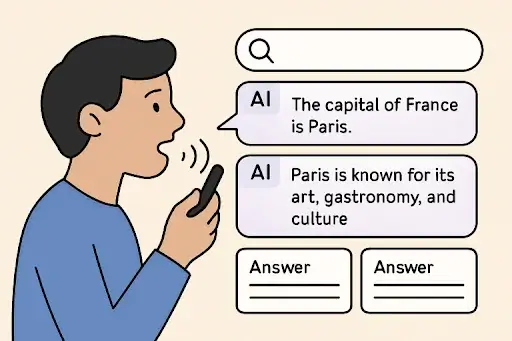
For content creators and businesses, the implications are profound—it is no longer sufficient simply to rank highly for relevant queries or secure a top spot on a search engine results page. The new objective is to develop content that AI models recognize as credible, well-structured, and valuable enough to reference, cite, or even use directly in synthesized answer boxes. In this climate, Google’s ongoing experiments with generative AI in search could have a dramatic impact on visibility and organic traffic for publishers, brands, and media websites. The ability to anticipate and adapt to these changes will set leaders apart, requiring a deep understanding of how AI selects, processes, and presents information in real-time.
Impact on Traditional SEO Practices
The rise of AI-powered search platforms is causing a fundamental rethink of classic SEO tactics, many of which have centered on targeting specific keywords or acquiring high-authority backlinks. Today, algorithms focus less on mechanical optimization and more on evaluating the overall relevance, expertise, and authority of a website or a specific piece of content. Search engines now assign premium value to trustworthy, up-to-date, and semantically rich content that aligns explicitly with user intentions. Structured data—such as schema markup and other standardized formats—enables algorithms to better understand and categorize information, enhancing the chances of being featured in AI-generated summaries or knowledge panels. In this changing environment, businesses must prioritize building trust by comprehensively addressing user intent, delivering clear and actionable solutions, and presenting easily digestible, substantiated information that helps users make informed decisions in less time.
Emergence of Generative Engine Optimization (GEO)
Generative Engine Optimization (GEO) marks the next evolution in the world of search marketing and content development. Unlike traditional SEO, which focuses predominantly on search rankings, GEO revolves around making digital assets discoverable, extractable, and reusable by AI-generated systems. Core strategies for GEO include leveraging structured markup, adopting a natural language approach, and using precise source attributions to enable AI to interpret, contextualize, and present information seamlessly. Optimizing content for GEO means delivering clarity, context, and validated value, making it more likely to be selected and surfaced in AI-driven answer panels, summaries, and other interactive knowledge features. This strategic focus on explicitness and accuracy is particularly important as generative AI continues to reshape not just how users find information, but how that information is cited and presented across platforms.
Challenges and Opportunities
The rapid evolution toward AI-driven search brings a mix of uncertainty and opportunity for every type of web publisher. One pressing concern for content creators is the potential decline in organic web traffic, as users are increasingly drawn to the convenience and speed of answer boxes and AI-generated knowledge panels. Publishers are paying close attention to developing trends as search leaders continue to experiment with more advanced, visible answer features that may sideline traditional web listings.
At the same time, these sweeping changes offer enterprising businesses and creators powerful opportunities to innovate. Those willing to evolve their digital presence—by investing in thought leadership, consistent expertise, and a trusted-source status—will find new avenues for engagement and brand recognition. Businesses that prioritize unique perspectives, develop actionable insights, and showcase firsthand expertise will foster deeper connections with their human audience while ensuring their value proposition stands out for AI-driven technologies scanning the web for credible sources.
Adapting to the New Search Landscape
To remain competitive and visible in an age increasingly defined by AI-powered search, businesses and publishers should consider adopting the following strategies:
- Create high-value, authoritative content that explicitly addresses real user questions, pain points, and information needs in every piece published.
- Integrate structured data, schema markup, and semantic cues into all key web pages to maximize the discoverability and interpretability of content for AI-powered search models.
- Stay proactive by monitoring the latest developments in search technology and adapting rapidly as new features and ranking criteria are introduced.
- Emphasize transparency, factual accuracy, and routinely updated information to build trust with both users and intelligent algorithms that value reliability and expertise.
Conclusion
The future of search is unmistakably powered by artificial intelligence. By embracing the trends of conversational interaction, direct answer delivery, and generative engine optimization, businesses and creators can stay ahead in an increasingly dynamic, AI-driven digital environment. Strategic adaptability, a willingness to experiment, and a renewed focus on authentic value will define the businesses that lead in the new world of AI-enhanced search. Those who anticipate and creatively embrace these seismic changes will shape—and thrive in—the future of digital discovery.